




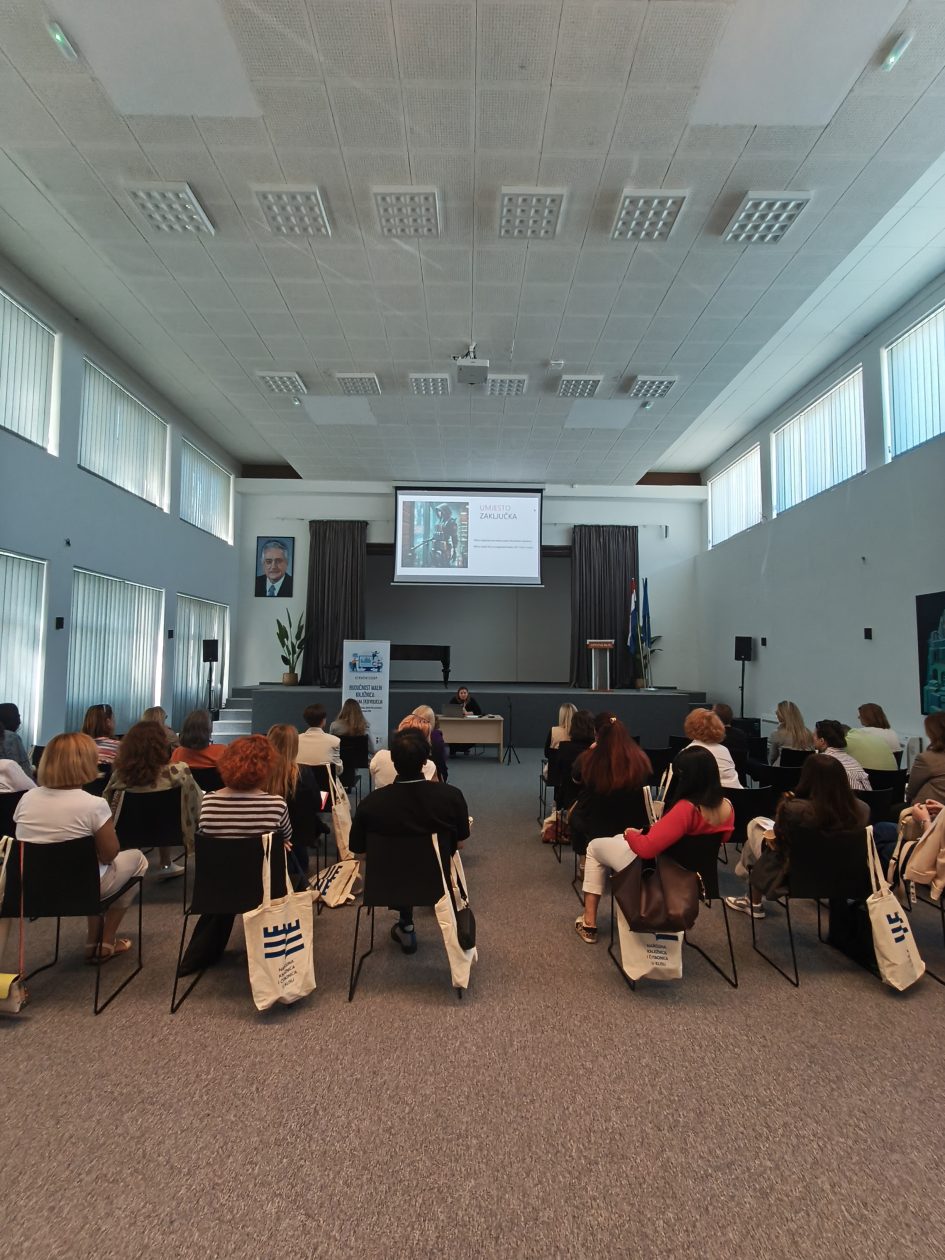
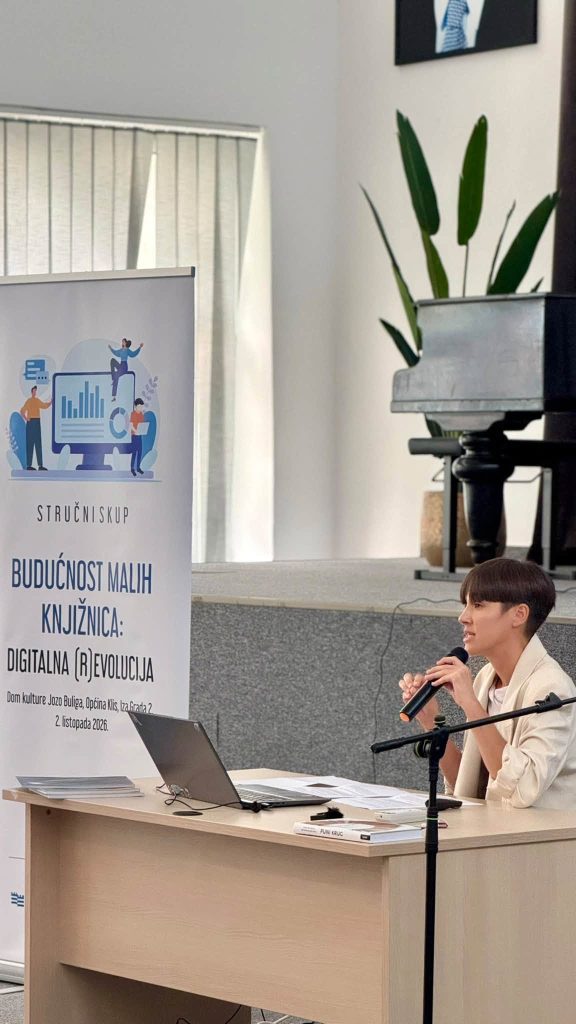
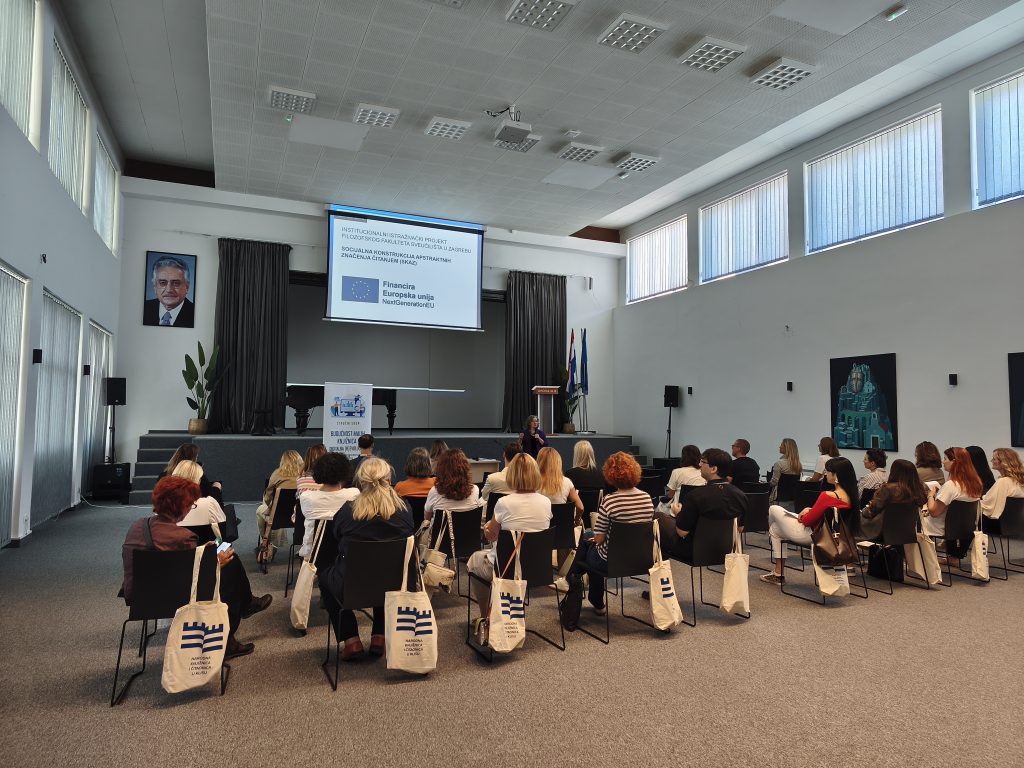
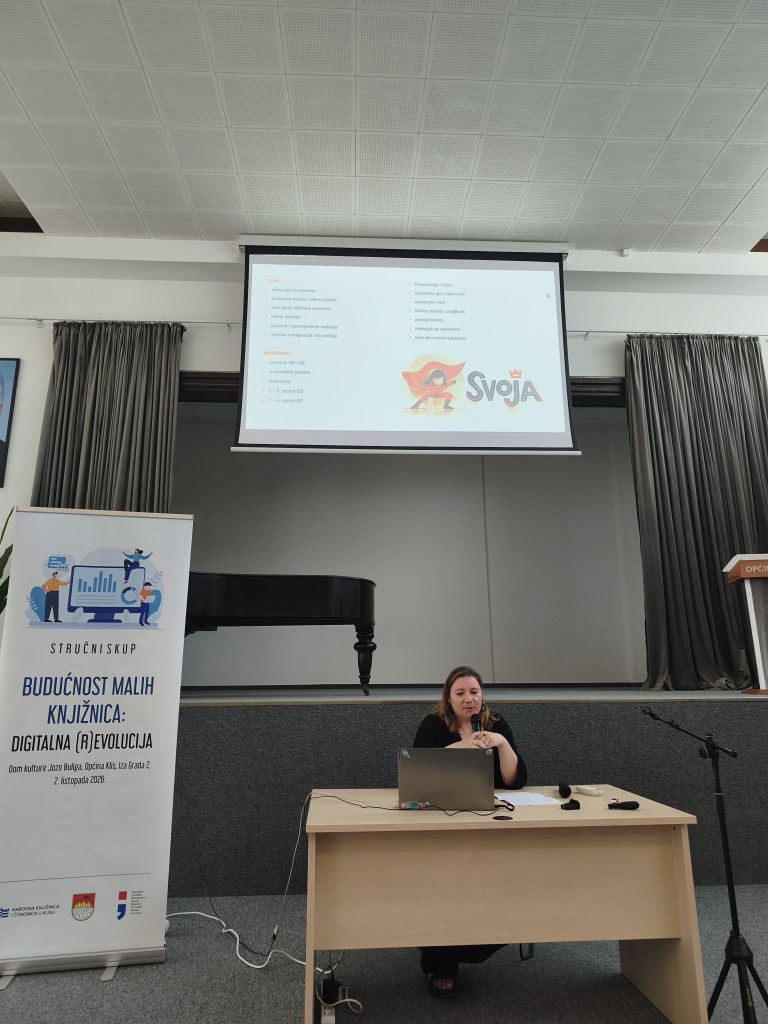
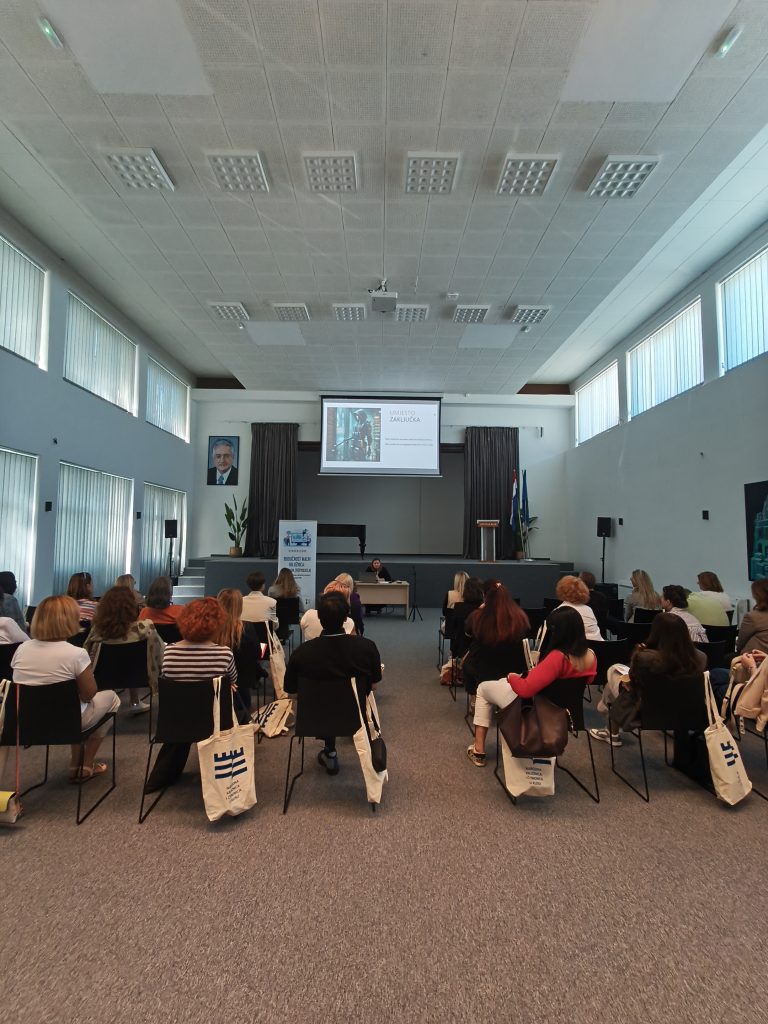
On 2 October 2026, Prelog Municipal Library (Croatia) took part in The Future of Small Libraries: A Digital (R) evolution, a professional conference hosted by Klis Public Library at the Jozo Buliga Cultural Centre in Klis, Croatia. The programme combined four invited talks with three presentations from library practice. Together, they have explored how digital change affects the way people read, find information and use their libraries. In addition, they also described how small library teams are responding to their own community’s needs.
How digital environments change the way we read
Anita Peti-Stantić of the University of Zagreb asked how digital environments affect the way people read and what role libraries can play. The question reaches into everyday work with readers. A person may read to follow instructions, check a claim or spend time with a story. Each purpose calls for a different kind of attention. Libraries can give readers opportunities to practise those ways of reading and reflect on what helps them understand and engage with a text.
Small libraries in a vast digital universe
In the invited talk from Prelog Municipal Library, Maja Lesinger examined information overload, changing user needs and the librarians’ skills as new technologies become part of everyday life. A person who can find dozens of answers online may still need help deciding which one to trust. Another may need someone to sit with them while they try an unfamiliar digital service for the first time. Both situations show how media and information literacy can become part of everyday library work. Small libraries can build on their close relationships with users and adapt their support as needs emerge, through an individual conversation or a group activity.
Small public libraries as heritage institutions
Franjo Mlinac of Sutivan Public Library considered the role of small public libraries in preserving local heritage. A library’s knowledge of its town matters here. A photograph, a local publication or a personal account can carry details that are difficult to recognise without knowing the people and places involved. Digital access can help those materials reach readers beyond the town, including people with family ties to the area. The work of identifying, describing and interpreting the material helps those readers understand what they find.
Why people still come to the library
Ana Duvnjak of Makarska City Library asked why people continue to visit libraries when they can find almost any information online. Her question shifts attention to what happens during a visit. A conversation at the desk can help someone work out what are they looking for. A recommendation can lead a reader to a book they would never have searched. The library also offers a place to read study or spend time alongside other people. These uses help explain why the physical library continues to matter as more resources become available online.
Three perspectives from library practice
In a video presentation, Mirna Grubanović of Slavonski Brod City Library drew attention to the uneven pace of digital development among small libraries in Brod-Posavina County. Jasminka Perić traced the development of Solin City Library from its shelves into the digital world, looking at digital change as part of the evolution of an individual institution. Renata Dobrić of Kaštela City Library focused on public relations in a small public library and the relationship between face-to-face contact and digital communication.
Together, these presentations gave the wider discussion a practical dimension. The county perspective showed why libraries could start from very different places. The Solin example invited a closer look at how services develop over time, while the Kaštela presentation brought attention to how people hear about those services and stay in touch with their library.
Klis Public Library as host and local partner
The conference also offered a closer look at the work of Klis Public Library. With the support of the municipality and the local community, librarians Lea Smodlaka and Lena Mihovilović are developing the library’s role in the cultural life of Klis. One example from their wider work is the collaboration with local partners to document and promote Kliški ujenak, a traditional dish. The library gave residents and local organisations a place to share their knowledge of a tradition familiar to the town.
The same attention to local knowledge and relationships was evident in the organisation of the conference. The two librarians put together a programme with room for invited speakers, short examples from practice, questions and informal conversations. They also arranged a guided visit to Klis Fortress, connecting the professional gathering with the place that hosted it. Prelog Municipal Library thanks the team in Klis for the invitation, the care they put into the programme and the warm welcome.
The day in Klis showed how public libraries remain relevant in small towns. They offer a place to ask for help, build confidence with new technology, and discover something to read or contribute to the preservation of local heritage. Their most important resource is people. Librarians bring professional judgement and knowledge of their communities. Residents bring questions, interests and memories that help shape the library’s work. Local partners help turn those interests into programmes and services. In Klis, that combination was visible both in the library’s work with its town and in the way it brought colleagues together.
Text and photos Maja Lesinger, Prelog Municipal Library, Croatia


Leave a Reply