




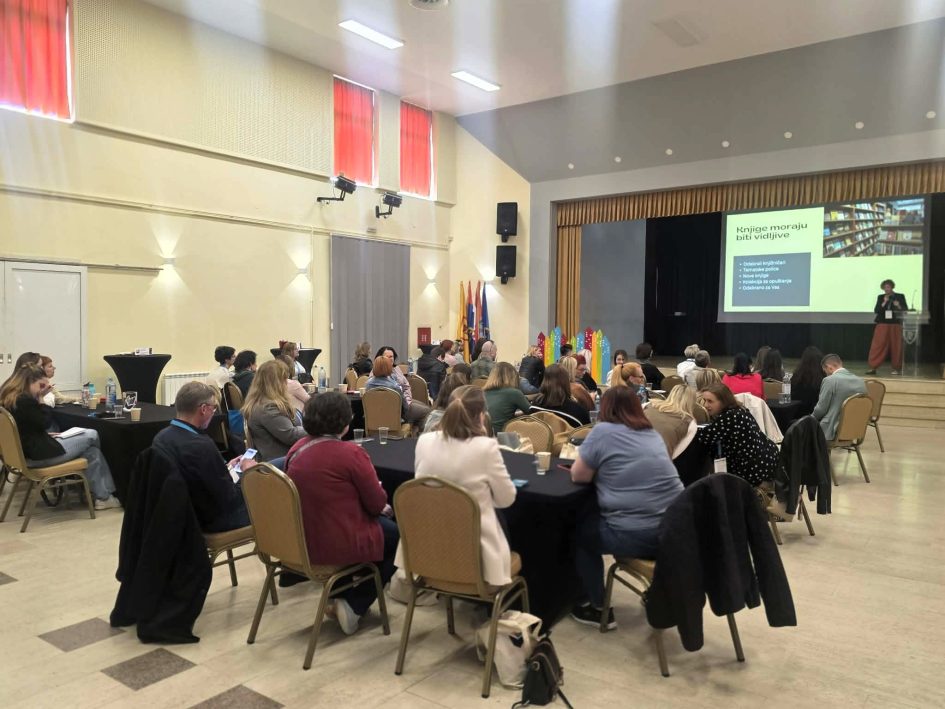
The colleagues from Prelog Municipal Library share with us their experience in the fifth edition of the round table Potentials for the Development of Small Places and Towns through the Promotion of Books and Reading, titled Small Places, Big UX: How to Improve User Experience Without a Large Budget, brought together librarians, cultural professionals and communication experts to explore practical ways smaller libraries can strengthen user experience through creativity, accessibility and community-focused thinking.
Organised by the Croatian Library Association – Reading Commission, co-organised by Virje Public Library and the Library Association of Bilogora, Podravina and Kalnik Prigorje, and hosted by Virje Public Library, the event was held with the support of the Ministry of Culture and Media of the Republic of Croatia. Partners included the Municipality of Virje, the Central Podravina Tourist Board and the Podravina Museum.
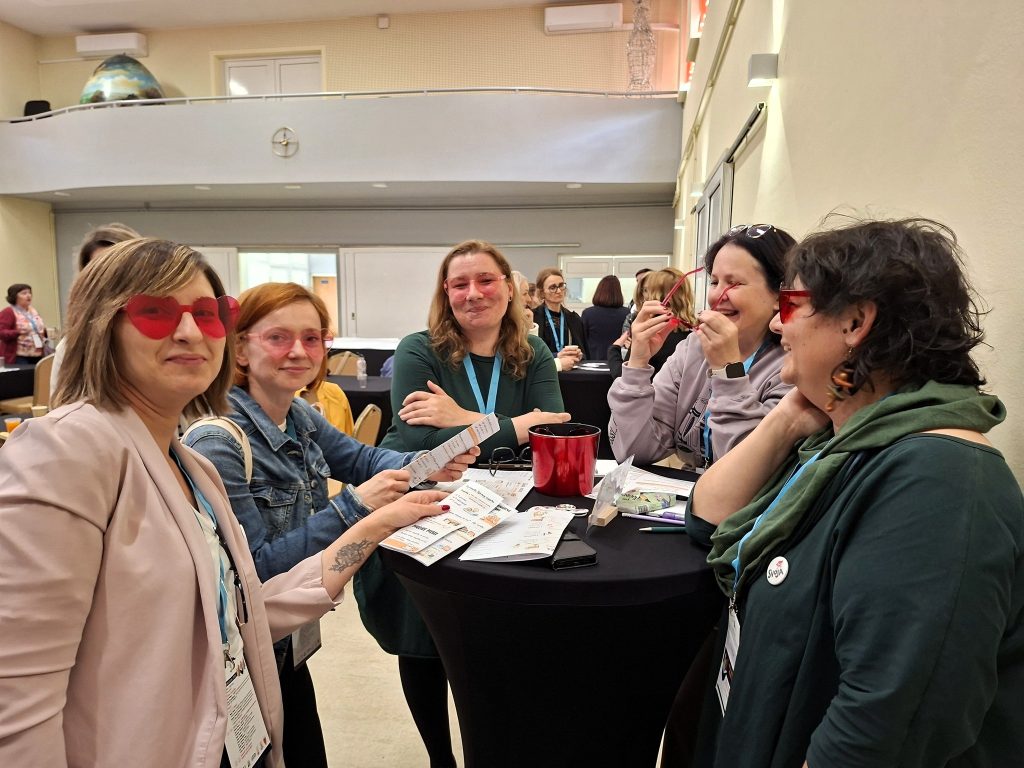
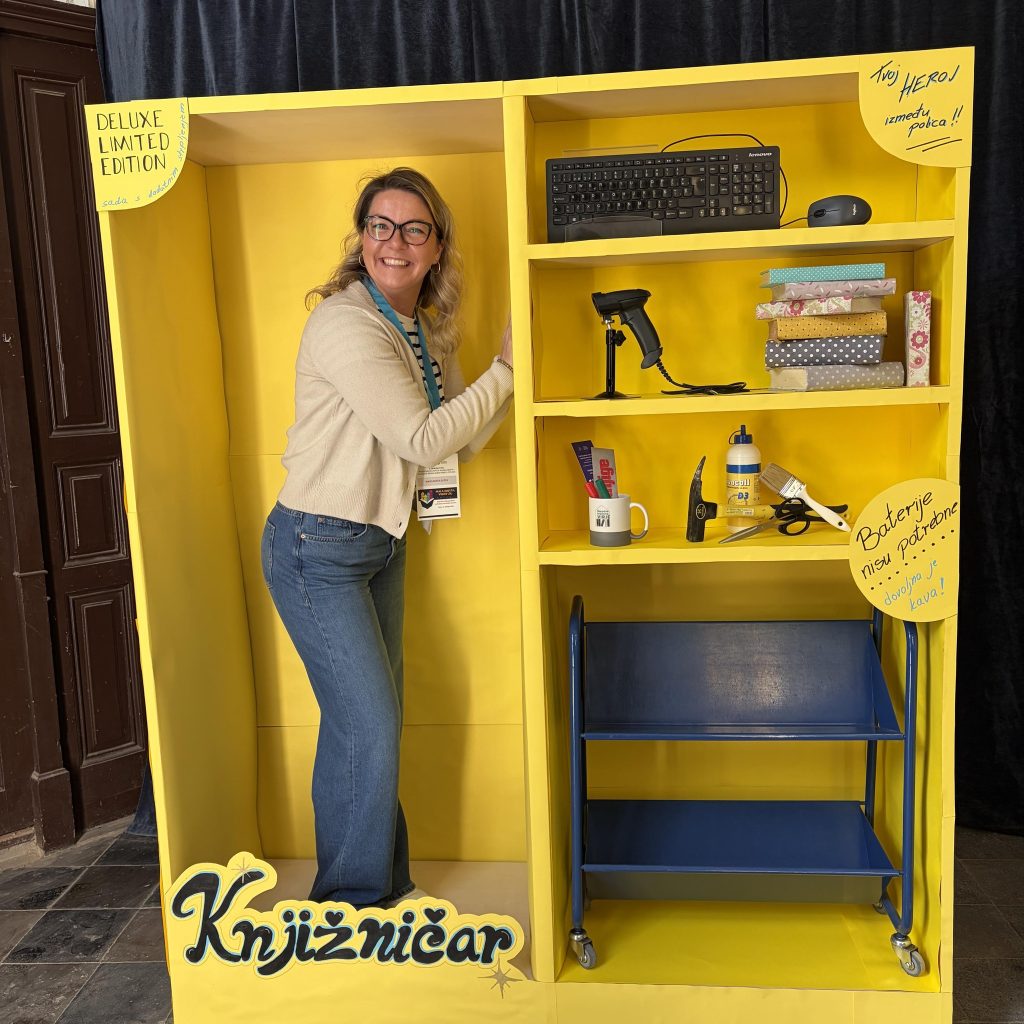
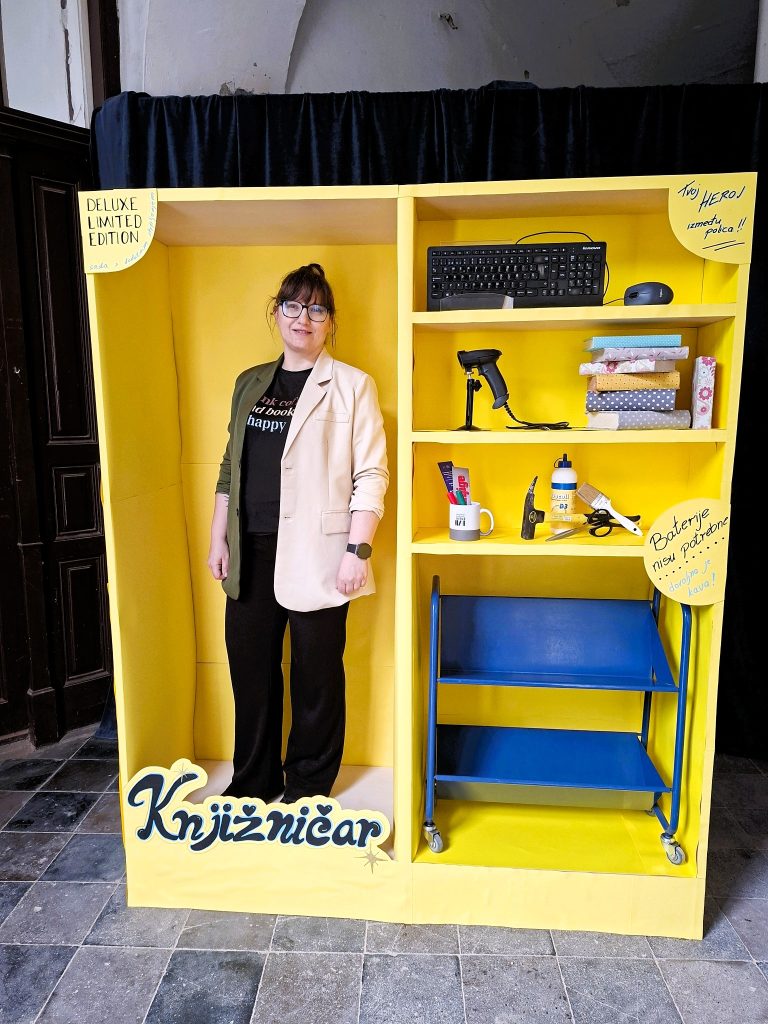
Practical UX Without Large Budgets
This year’s theme focused on UX approaches that can help smaller libraries analyse, redesign and improve their analogue and digital services despite limited financial resources. The programme strongly emphasized realistic and sustainable solutions: low-budget experiments, DIY tools, testing with users, communication strategies and small interventions capable of creating meaningful improvements in everyday library practice.
Throughout the day, participants explored topics such as digital marketing, customer experience, branding, storytelling, communication with media, visibility of cultural institutions, graphic and web design, interior design and practical methods for improving services in smaller communities.
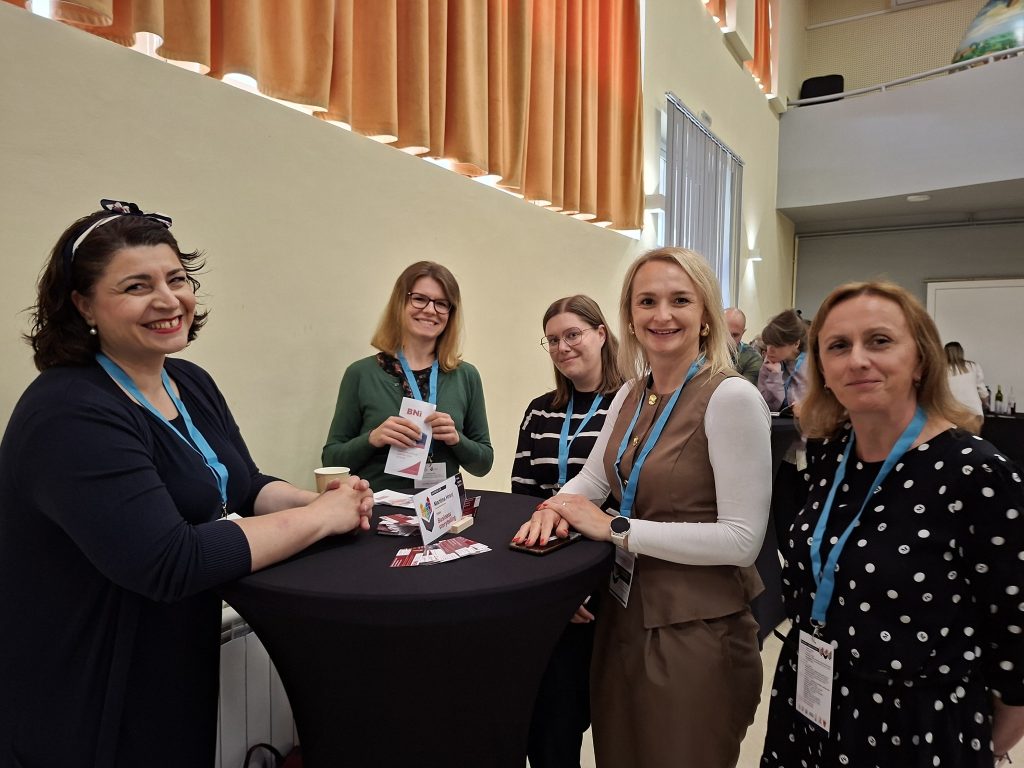
Business Lab as a Space for Direct Exchange
One of the most dynamic segments of the programme was the Business Lab, a consultation-based format that connected librarians with professionals from different sectors through short practical sessions and discussions. Among the marketing and media consultations offered, the event planning session led by Maja Lesinger, director of Prelog Municipal Library, attracted particular interest from participants working in small libraries where programming often depends on multitasking, improvisation and careful use of limited resources.
Instead of presenting event organisation as a demanding and expensive process, the consultation focused on simplifying workflows, reducing stress and building events around realistic possibilities and authentic community needs. The topic proved especially relevant for librarians who frequently manage programming, promotion, logistics and reporting simultaneously.
Hospitality as User Experience
Beyond the professional programme itself, participants repeatedly highlighted the excellent organisation and warm atmosphere created by the hosts in Virje. The event successfully combined professional exchange, practical learning and local hospitality, creating an environment that itself reflected the principles of good user experience.
The fifth edition of the round table once again demonstrated that innovation in libraries does not necessarily depend on large budgets or sophisticated technology. In small communities especially, meaningful UX often begins with attentiveness, flexibility, creativity and a strong understanding of users and their everyday needs.
A Library Is Not a Product
At the same time, the discussion opened an important question about what user experience in libraries actually means. It is not only about design, digital tools, visibility or new services. A library is not a product, nor does it need to behave like a startup in order to remain relevant. Its strongest user experience is often much quieter: a welcoming space, a carefully chosen book, a conversation, a sense of calm, and the feeling that everyone can enter without pressure, noise or expectation.
In that sense, good library UX is not about making libraries more marketable, but more humane. It is about designing services, spaces and programmes that help people feel oriented, included, respected and at ease. Sometimes the most powerful improvement is not a new gadget or a spectacular intervention, but a small, thoughtful change that makes the library easier, warmer and more meaningful to use.
The Library as a Fourth Place
This is where the idea of the library as a fourth place becomes especially relevant. Beyond home, work and the traditional third place of informal social life, the contemporary library increasingly functions as a fourth place: a flexible, hybrid and inclusive environment where physical space, digital access, learning, culture and community support meet. It is not defined by consumption, but by possibility. It allows users to move between reading, conversation, digital services, events, quiet work, informal learning and simple presence.
For smaller libraries, this role is particularly important. Their strength lies not in scale, but in closeness. They know their users, recognise their needs, notice small changes and respond quickly. Their UX is built not only through projects and services, but through everyday gestures: the way people are welcomed, the way information is offered, the way programmes are shaped around real lives rather than abstract trends.
Small Libraries, Big Strengths
A small library as a fourth place does not have to impress through spectacle. Its value lies in being usable, open, warm and adaptable. It can be a reading room in the morning, a workshop space in the afternoon, a digital support point when someone needs help, a cultural venue in the evening, and a quiet refuge whenever the world outside becomes too loud. That is not a weakness of small libraries. It is their superpower.
Meaningful Change Begins With Attention
Small Places, Big UX therefore showed that meaningful change does not have to begin with a large budget. It can begin with attention. With listening. With the decision to improve what already exists. And with the understanding that the best library experience is the one that helps people feel that the library is not simply a place they visit, but a place that belongs to them.
Text by: maja Lesinger, Prelog Municipal Library
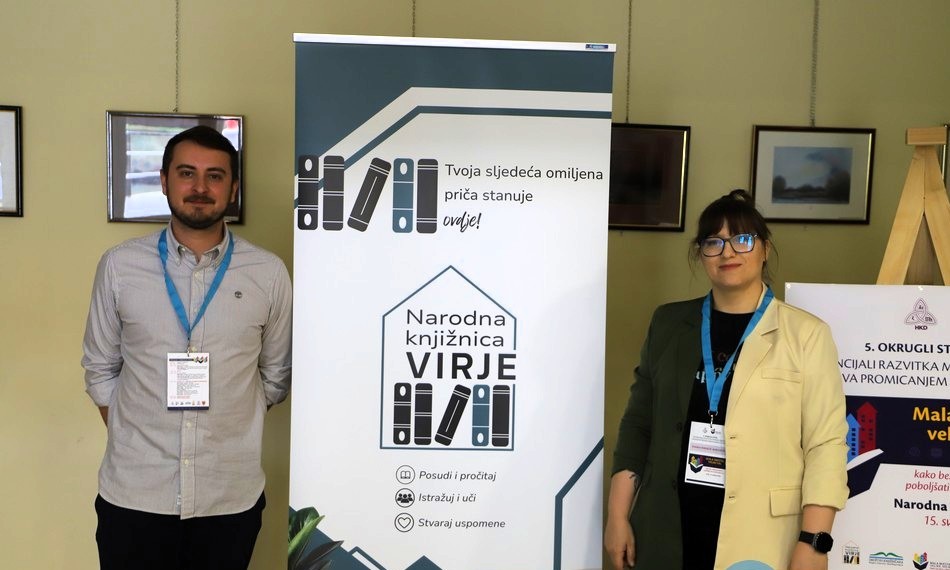
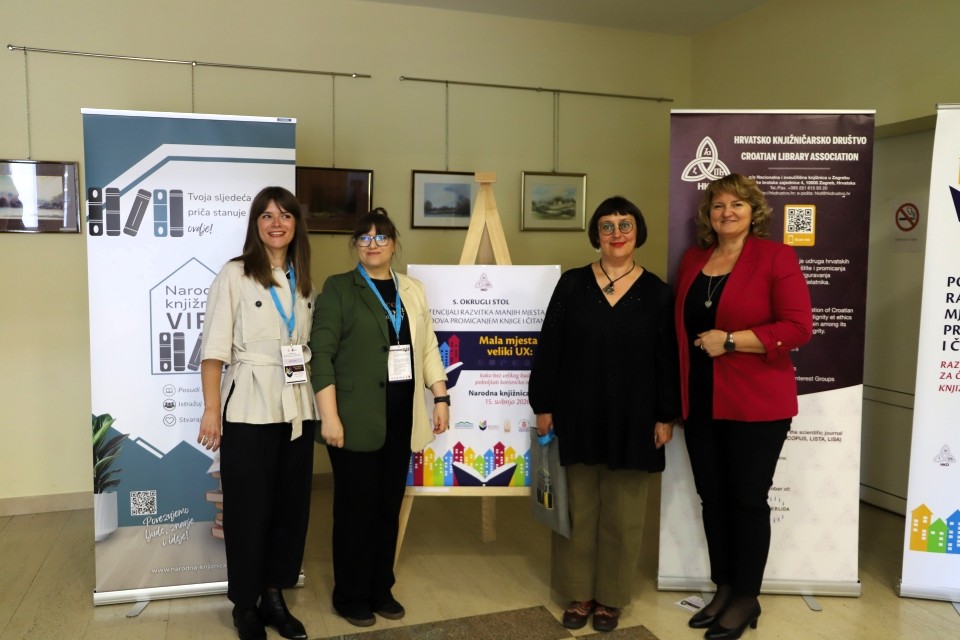
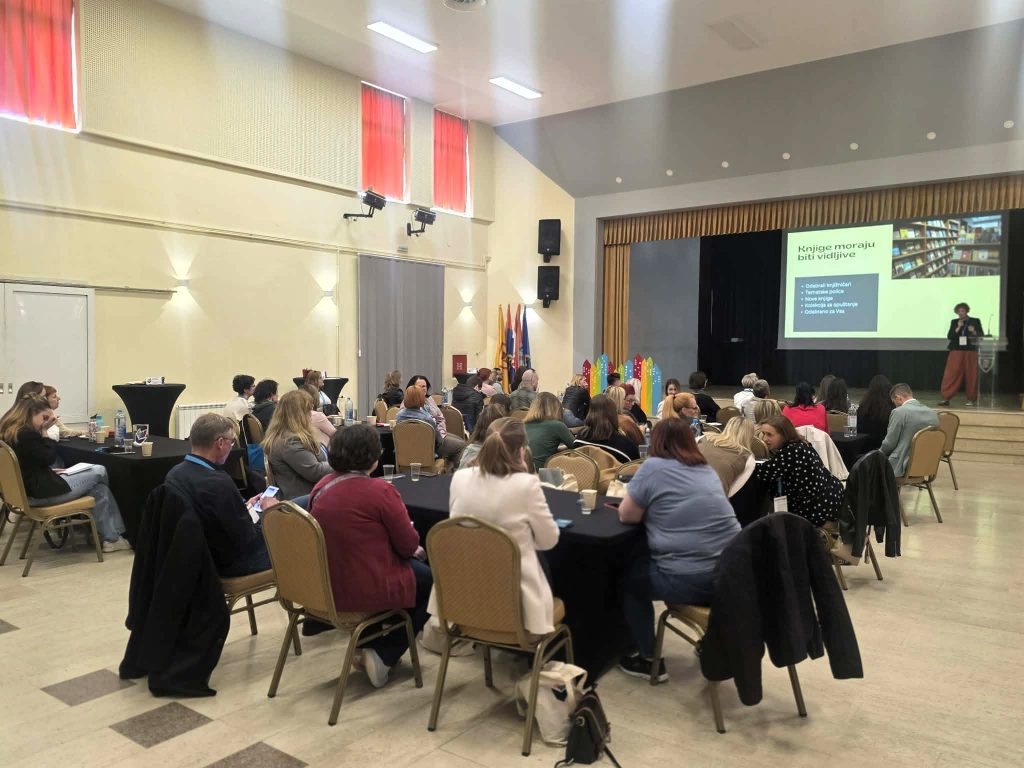
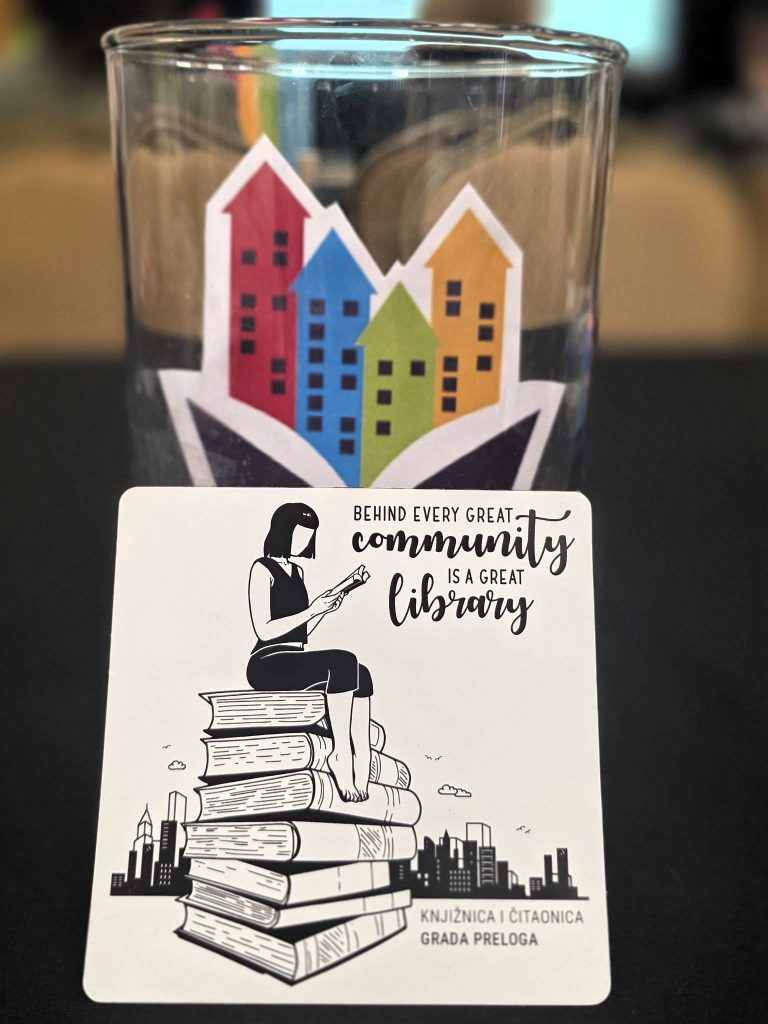
Photos by: Marko Stefanov (1. The Hosts, 2. The Organisers, 3. The Audience); Prelog Municipal Library (4. Librarian Photo Booth, 5. Business Lab: Event Planning, 8. Event Logo&Library Motto); Virje Public Library (6. Librarian Photo Booth, 7. Business Lab: Business Storytelling)


Leave a Reply