




The modern library is increasingly becoming not only a space for the dissemination of culture and knowledge, but also an important center of social inclusion. It brings the community together, encourages dialogue and creates opportunities for various groups in society to learn, develop and participate in cultural life. The library becomes a place where different experiences, social backgrounds and life stories meet, while culture, education, and community spirit help reduce social exclusion and strengthen social solidarity.
Taking the mission of the modern library into account, the Panevėžys Elena Mezginaite Public library implemented the international project “Empowering women through community and library engagement” from September 1, 2025 to October 5, 2026, funded by the European Cultural Foundation. The project became an open space for dialogue, support and new opportunities for women facing social, economic or emotional challenges.
The primary goal of this project is to reduce social exclusion and foster long-term support networks for vulnerable women, including those currently or formerly in prison, women receiving social services, women in social risk situations and mothers facing economic or emotional challenges. At its core, the initiative is guided by a commitment to inclusion, dignity, and second chances.
They are sharing with the NAPLE Sister Libraries community what they have already accomplished during the first seven months of the project.
Building sustainable community networks: towards inclusion and reintegration
Rather than focusing on a single target group, the project builds bridges between prison, social services, families, and the wider community. Project partners include Panevėžys prison, Panevėžys social services centre and the Women’s crisis centre of SOS children’s villages Lithuania (Panevėžys departament). Together, these partners create an open, neutral, safe and inclusive space for dialogue, support, and new opportunities for women while engaging the wider community in cultural, educational and creative initiatives. Through events, education, workshops and family-oriented programs, the project promotes confidence, social inclusion and meaningful participation in society.
Focus on women in prison
Women in prison face multiple layers of exclusion: separation from their families, limited access to education and cultural life, social stigma, psychological stress and reduced employment opportunities after release. Many have experienced poverty, domestic violence, trauma, or long-term marginalization prior to incarceration. The project addresses these challenges by bringing cultural, educational, and creative activities directly to them. Recognizing these complex realities, the project seeks not only to offer activities, but to restore confidence and promote personal growth. By entering prison spaces and inviting socially vulnerable women into cultural life, the project challenges stigma and promotes social inclusion. In cooperation with Panevėžys prison, the project ensures that incarcerated women have access to cultural and educational activities that are typically available in open community spaces.
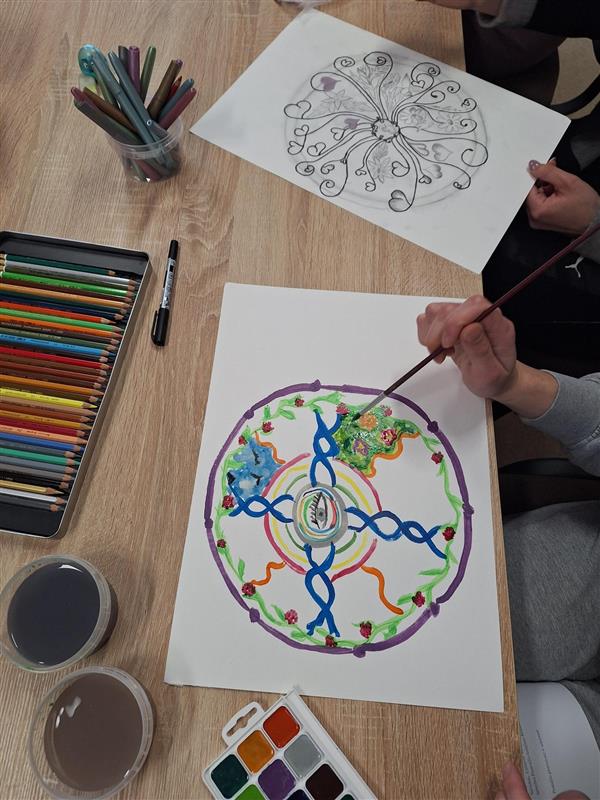
Four at therapy sessions was organized here. The workshops led by an art therapist Vaida Virbalaitė-Šablevičienė, providing a safe and supportive space for emotional expression. Through creative processes, participants explored their feelings, reflected on personal experiences and developed healthier coping strategies. These sessions helped reduce stress, build trust among participants and encourage self-awareness.
The incarcerated women also took part in a practical session of drama therapy and applied theatre, guided by actor Irmantas Pilis. During the workshop, they engaged in various exercises designed to foster self-expression, emotional awareness, and teamwork.
Sociologist Paulius Godvadas led a lecture-discussion exploring the subtleties of group dynamics. During the session, participants examined the processes that occur within groups, their evolution, and their impact on an individual’s well-being. The women actively engaged in discussions – reflecting on the importance of groups, learning to listen, and embracing differing perspectives. This activity was particularly significant in the context of resocialization, as it encouraged the participants to look at themselves and their role in society from a new perspective.
In addition, media and digital literacy trainings were delivered within the prison. These interactive sessions equipped women with practical skills: identifying reliable information sources, understanding online safety and critically evaluating digital content. Such competencies are essential for successful reintegration into society in today’s information-driven world.
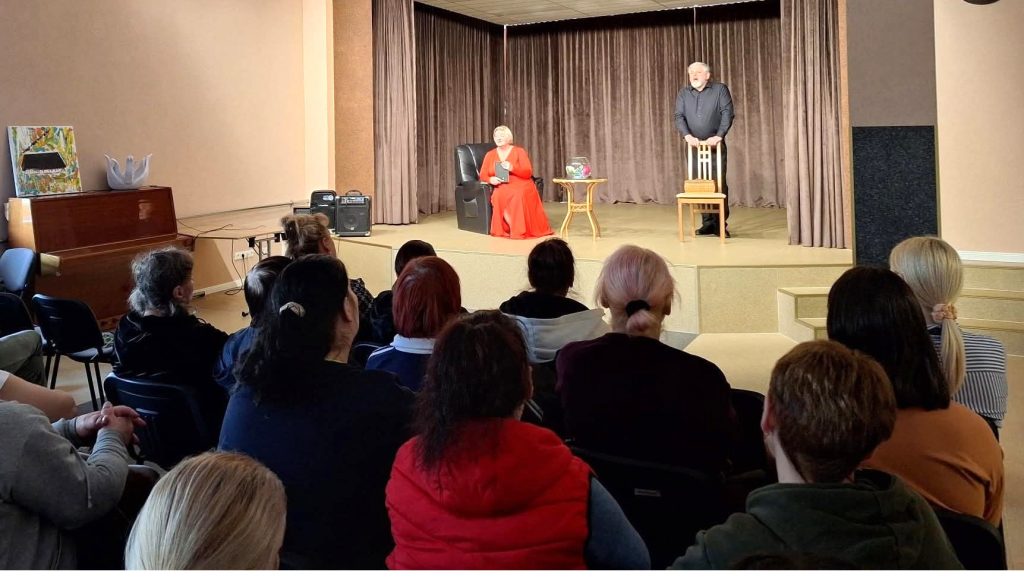
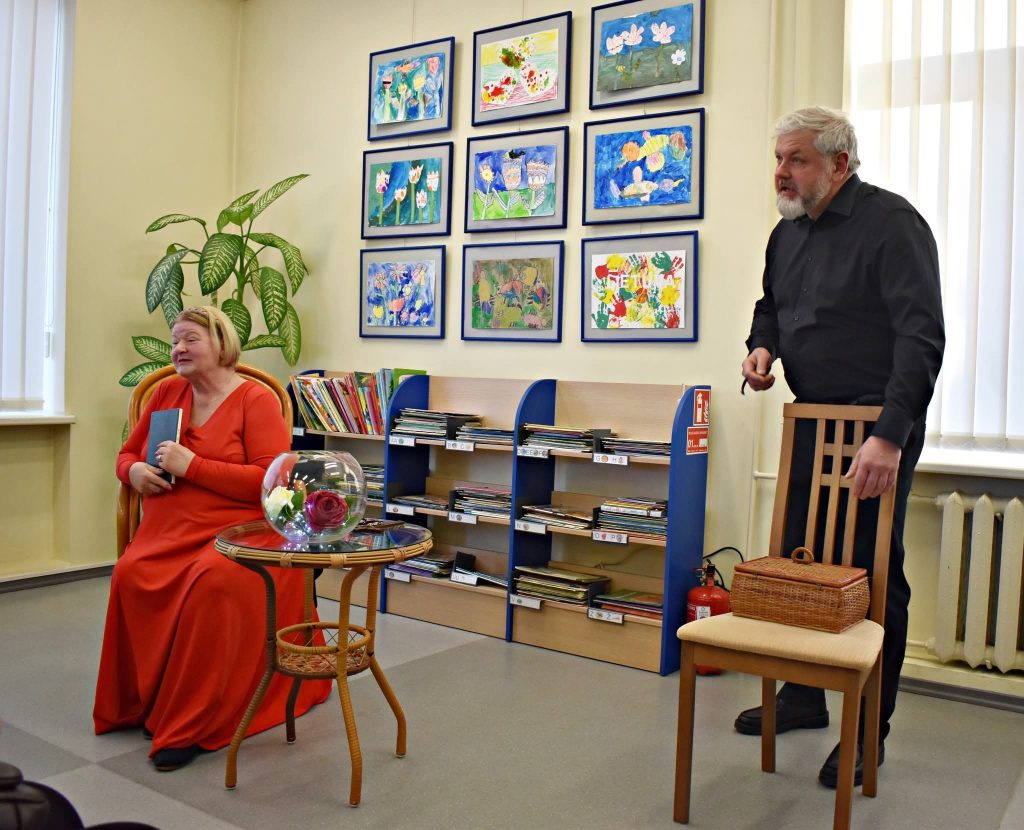
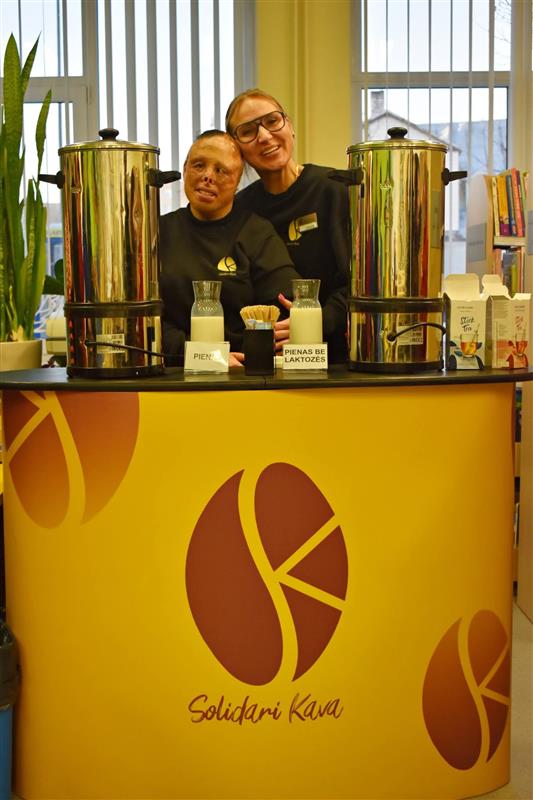
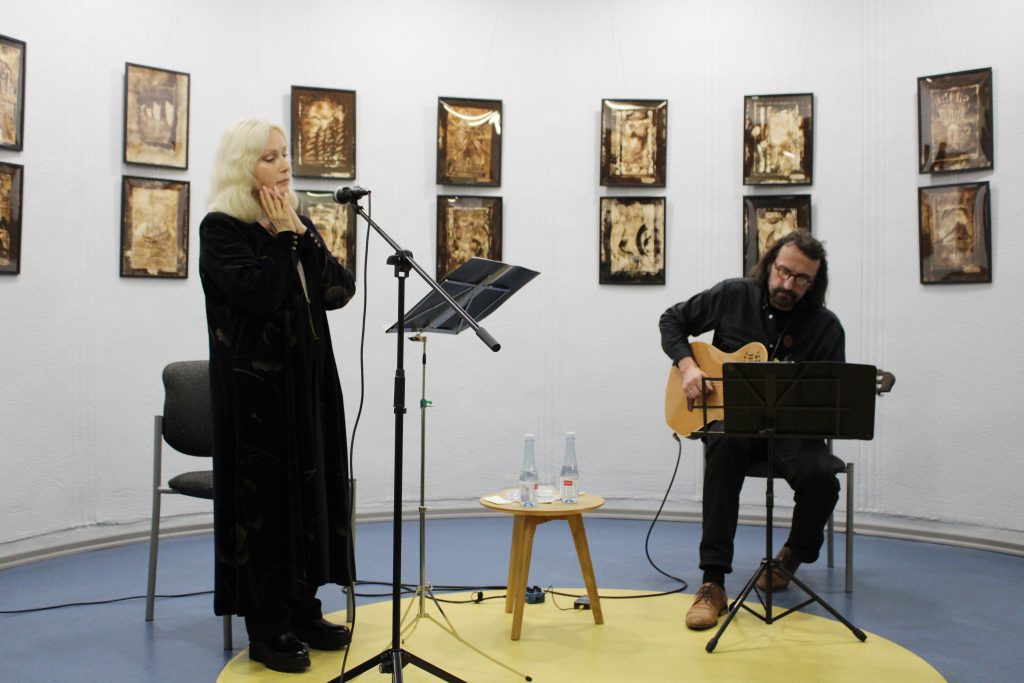
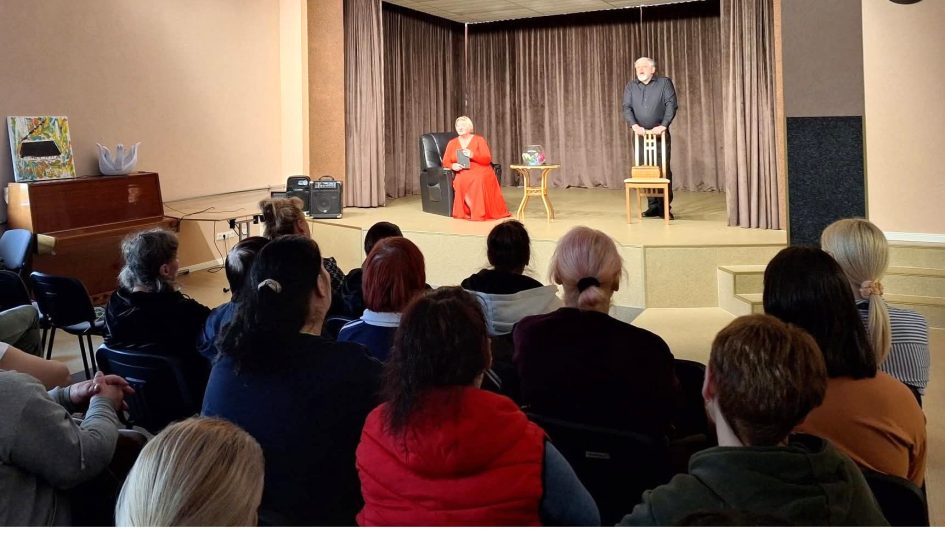
The amateur theatre performance “Evening prayer of a woman” by the Bajorai branch of the Rokiškis Cultural Centre’s suburban division, became a moment of light for women seeking points of support in the changes of their lives. After the performance, romances performed by the folklore ensemble „Pulkelis”, along with time spent together and warm conversations, created the emotional connection that is so often lacking.
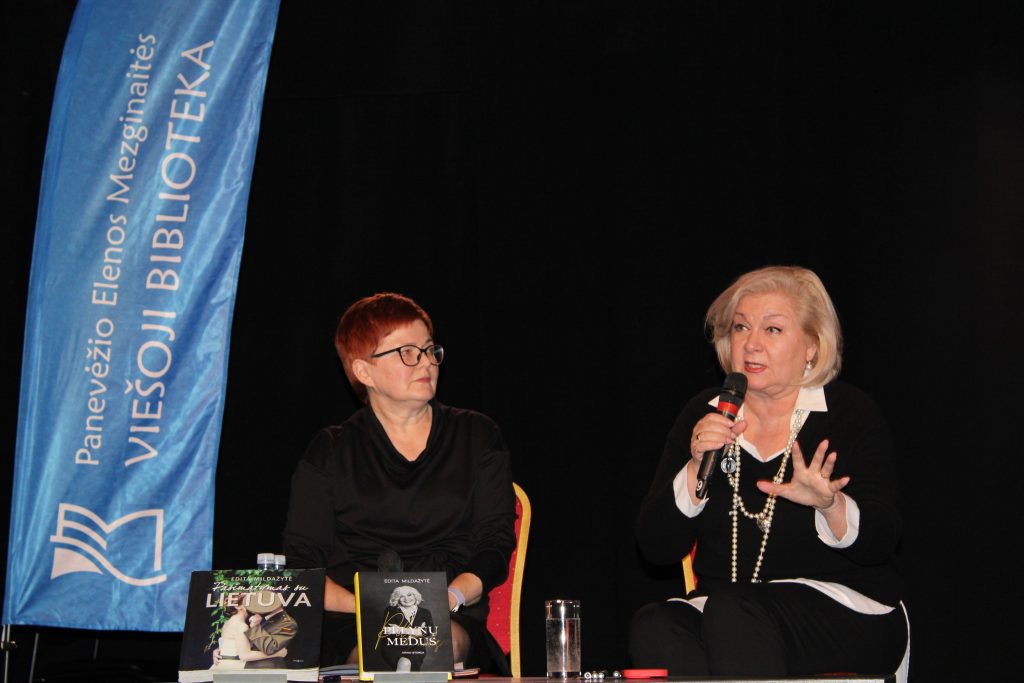
Importantly, cultural events were brought inside the prison environment, ensuring equal access to literature and artistic experiences. Meetings with writers and public figures offered inspiration, allowed incarcerated women to engage in dialogue, reflect on personal stories of resilience and reconnect with the wider cultural community. Public lectures and book presentations addressed emotional wellbeing, the connection between physical and mental health, and the importance of self-care. Cultural encounters in the prison included visits from authors and public figures, such as journalist Edita Mildažytė, who presented her autobiographical book “Pelynų medus. Mano istorija” (“Wormwood honey. My story”), sharing personal experiences of challenges and perseverance. Her honest and open dialogue resonated strongly with participants. An equally meaningful meeting took place with pediatrician, neonatologist, blogger and the author of the book “Puoduko reikalai” (“Matters of the little pot”), Erika Žėkaitė-Vaišnienė. During lectures on children’s health, safety and first aid, women gained practical knowledge that strengthened their confidence as mothers. Such meetings are especially important for women who are in prison or returning from it, as they seek to rebuild connections with their families and take responsible care of their children.
Engaging the wider community
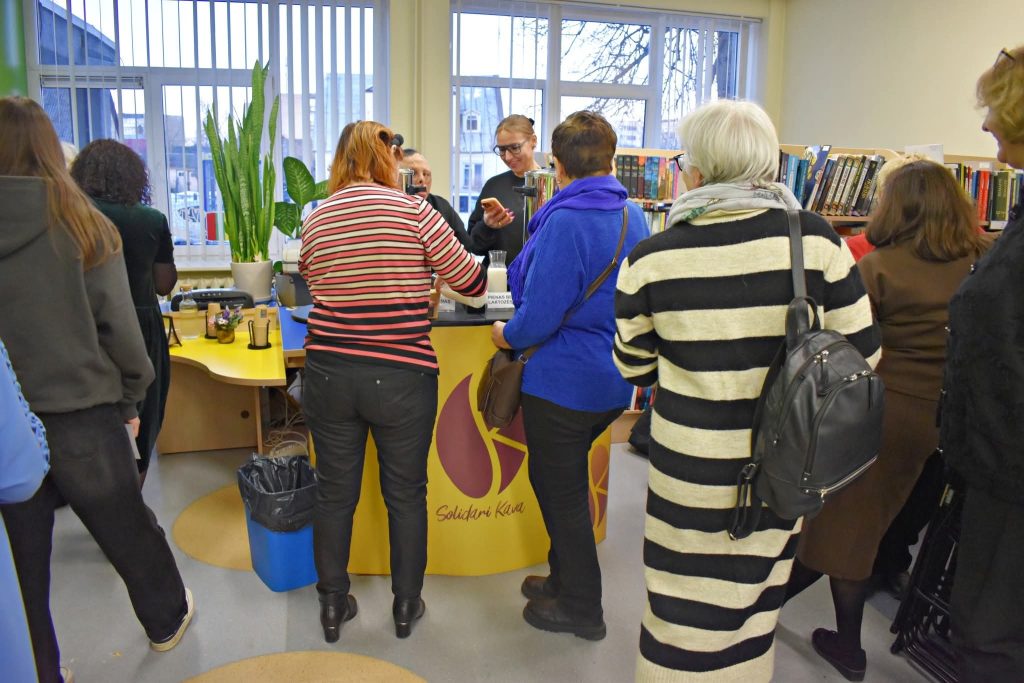
The project also fosters inclusion for the broader Panevėžys community. Public lectures, book presentations and cultural events bring together women of all ages, families and children alongside socially vulnerable groups.
Literary-musical evening, such as “A View from the Tall Towers“ with the actor Eleonoa Koriznaitė and musician Raimundas Januševičius, offered opportunities to engage with the art of Mikalojus Konstantinas Čiurlionis through poetry, music, and visual media, creating reflective and restorative cultural experiences for all participants.
The creative meeting with children’s authors Benas Bėrantas and Virgis Šidlauskas received significant attention and encouraged young audiences to explore creativity, literacy, and family engagement with books.
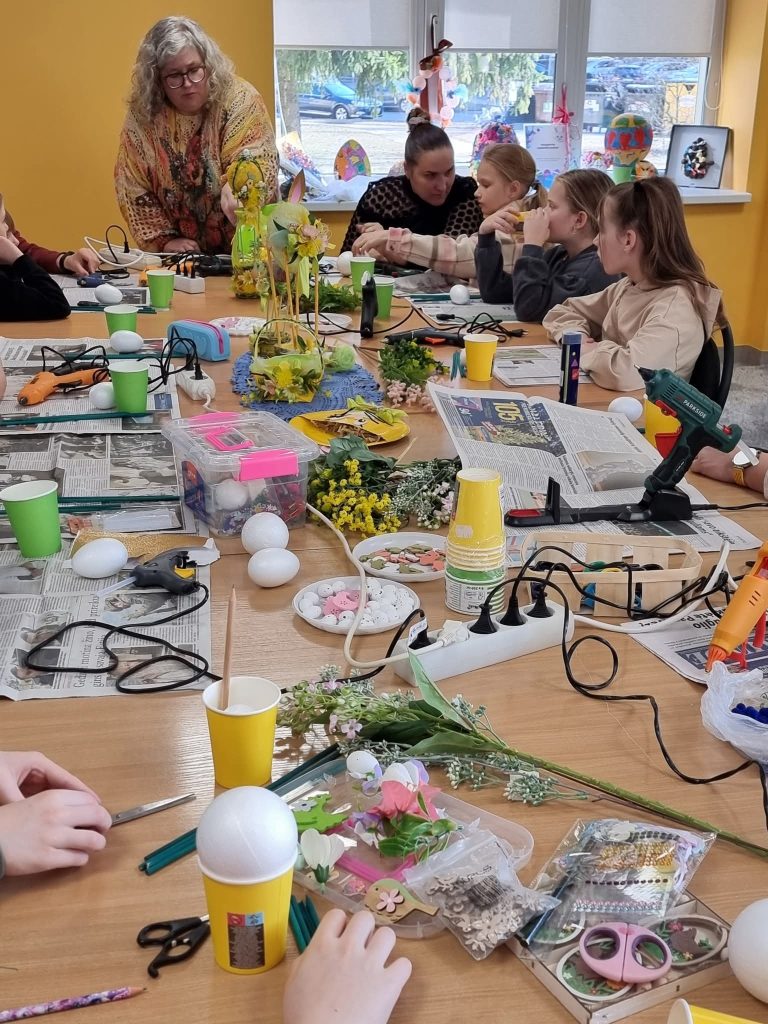
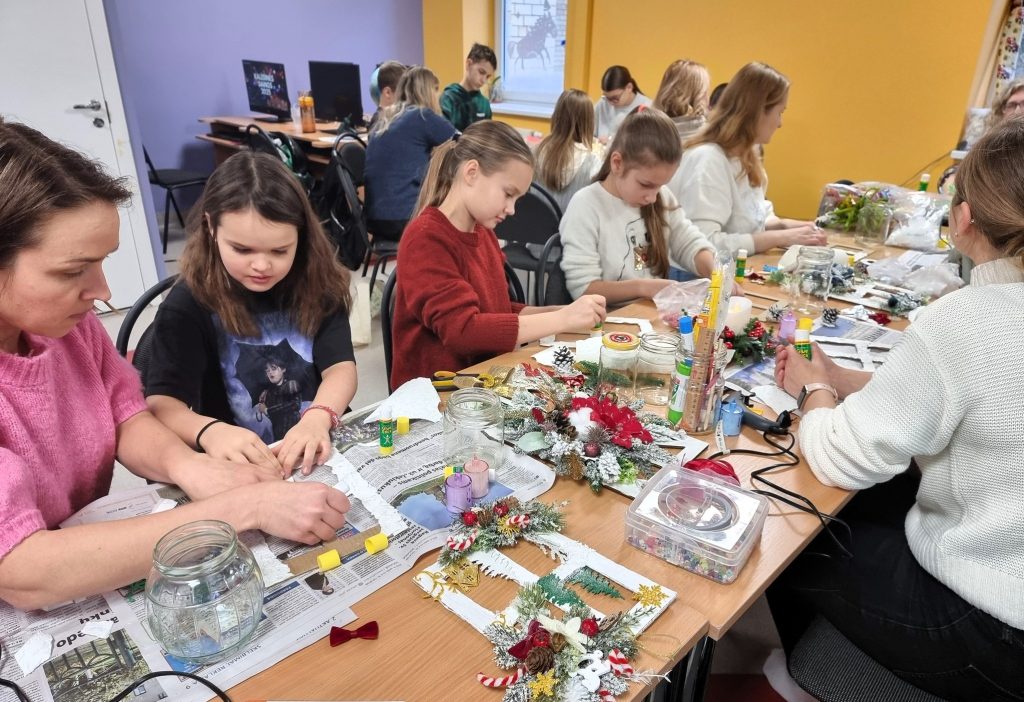
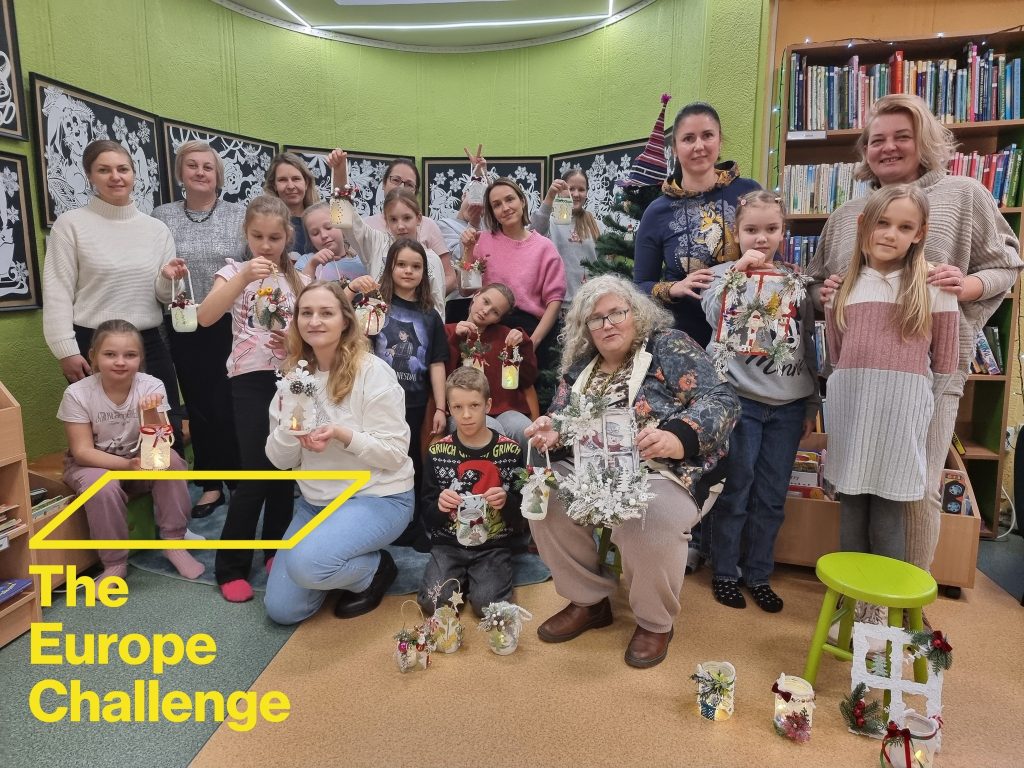
Seasonal workshops and community gatherings were also organised by the library. Christmas craft workshops brought together families, women from different backgrounds and socially vulnerable participants in a warm and collaborative environment. Families also enjoyed Easter workshops, where they created beautiful baskets and adorable bunnies. Taught by folk artist Dainora Guokienė, participants created holiday decorations while sharing ideas and experiences, emphasizing the importance of community, creativity and mutual encouragement.
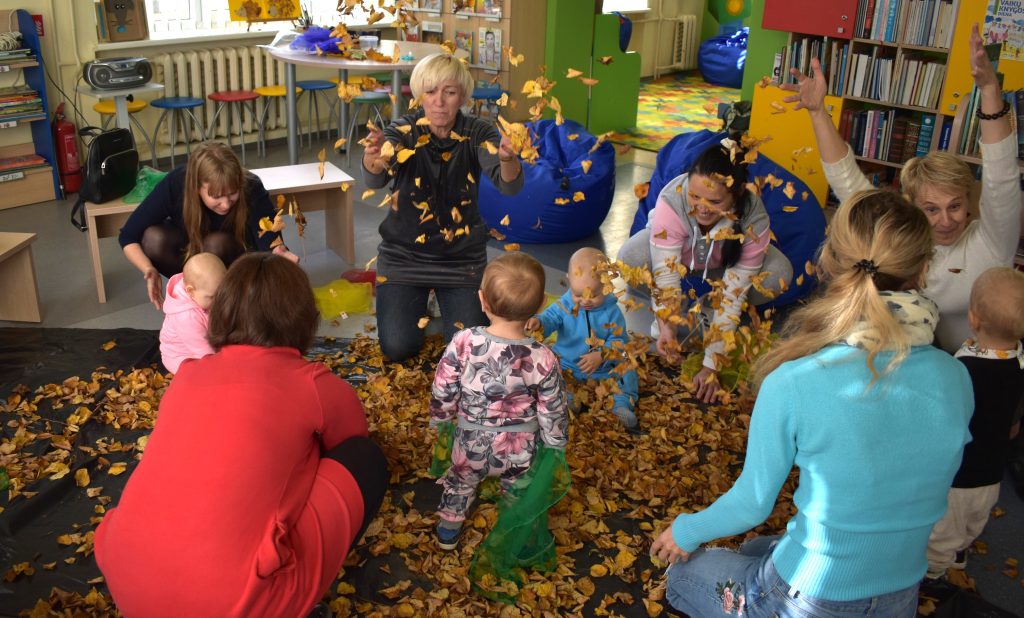
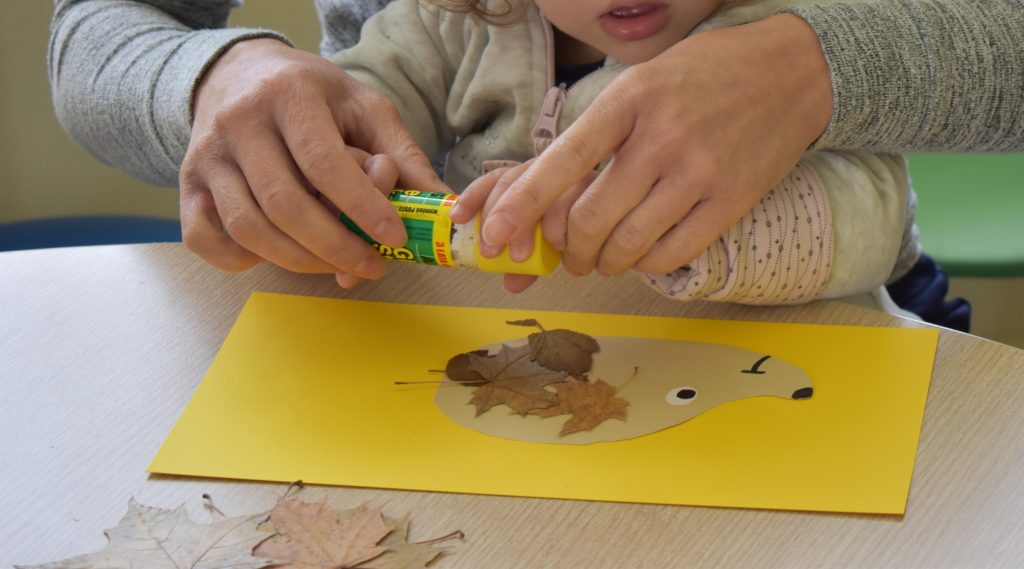
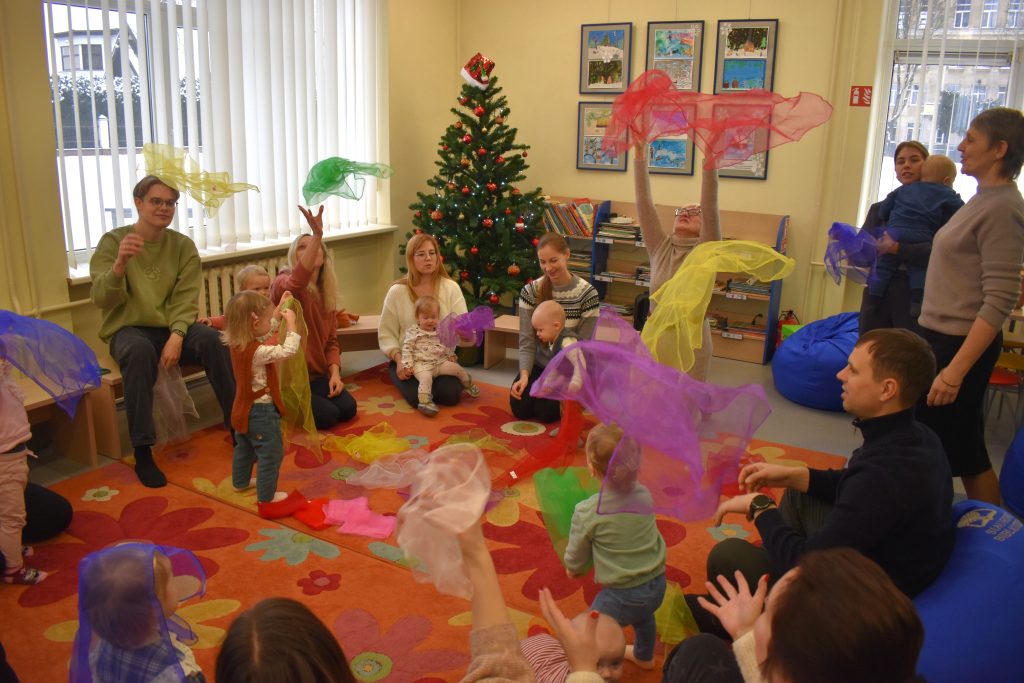
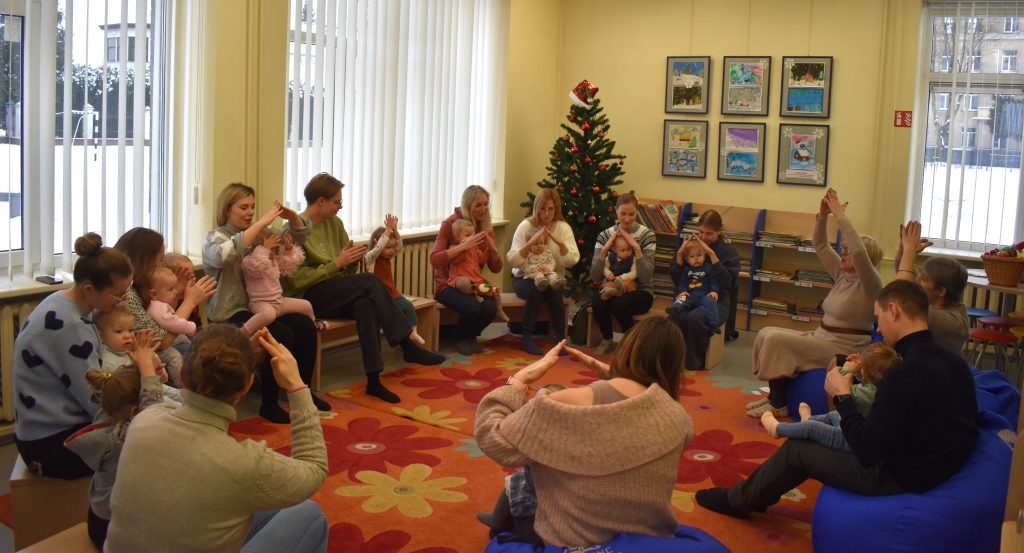
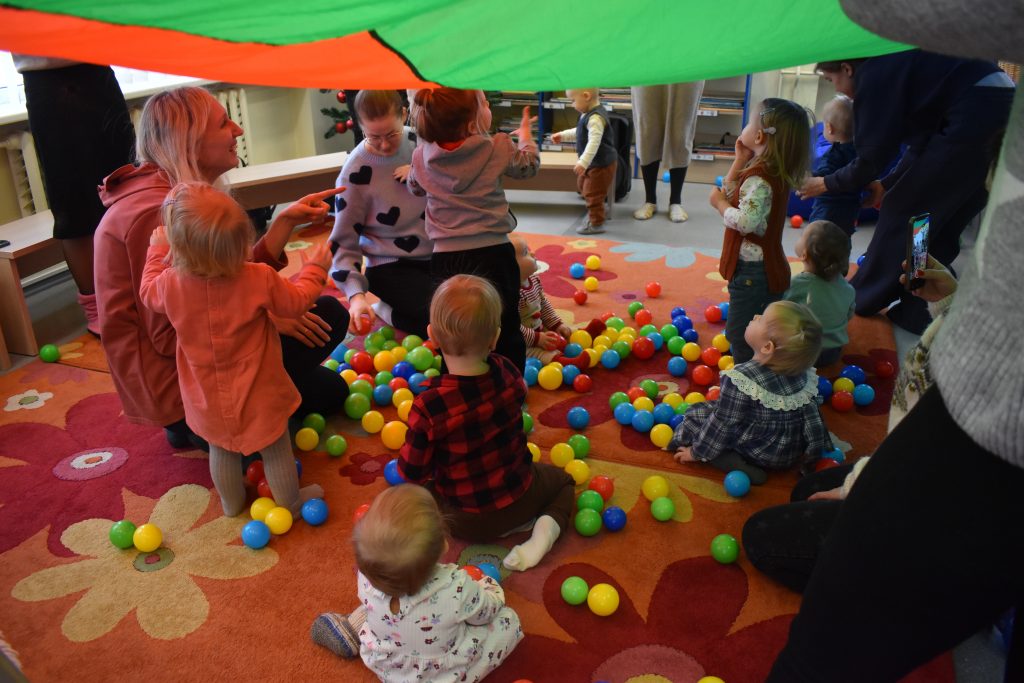
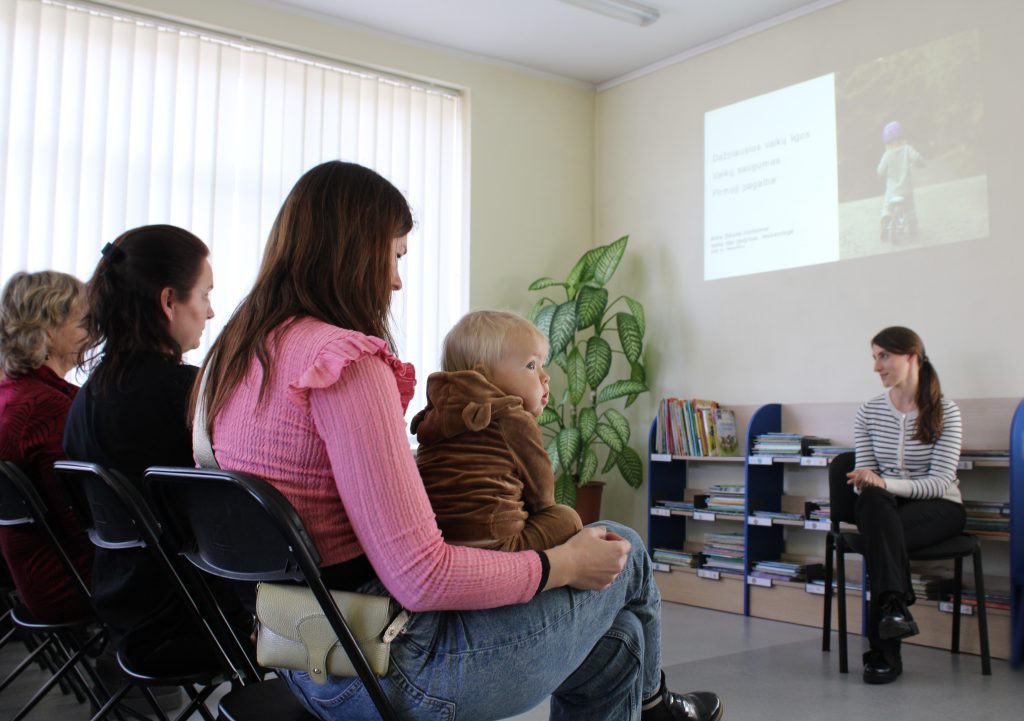
A significant part of the project focuses on strengthening family bonds and supporting conscious parenting. Throughout the year, a cycle of developmental workshops for parents and children aged 6 months to 3 years – “Slieko Zigmučio pievelė” (“Zigmutis the worm’s little meadow”) – was organized. Developmental activities designed to nurture creativity, emotional security and communication skills. Led by early childhood education specialists Vitalija Lideikienė and Henrieta Slivkienė, the program included: rhythm exercises, musical and movement games, finger games, and rhythm exercises; storytelling with puppets and interactive lullabies; creative, playful activities that promoted parent-child bonding and peer support. These sessions emphasized the importance of the first three years of life in developing creativity, emotional security, rhythm, coordination and communication skills. Additionally, it provided vulnerable families with educational and emotional support, while giving all participating families an opportunity to connect and grow together in a welcoming community environment.
From empowered women to stronger communities
As the first project of this scale for the Panevėžys Elenos Mezginaitės Public library, implementing “Empowering Women through Community and Library Engagement” was both a challenge and an opportunity. The library stepped into new roles – bringing cultural, educational and creative activities into prison, engaging socially vulnerable women and fostering family-oriented community programs. Navigating these unprecedented initiatives required innovation, collaboration and flexibility. Despite these challenges, the project successfully built bridges between women, families and the wider community, creating a safe, inclusive and empowering space for all participants. By supporting women in vulnerable situations, strengthening family bonds and promoting social inclusion, the initiative demonstrates that even a first-time effort can have a lasting impact.
This project is more than a series of events. It is a sustainable structured effort to reduce social isolation, restore confidence, strengthen parenting skills, develop digital competencies and support emotional wellbeing. This initiative strengthening women’s confidence, social skills, and family relationships while fostering a more inclusive and supportive community. The library serves as a safe, open space where women and families can access culture, knowledge.
By combining cultural engagement, educational programs and creative activities for both socially vulnerable women and the broader community, the project demonstrates that empowerment is both individual and collective. It shows that investing in women – whether incarcerated, socially vulnerable or raising young families – not only strengthens individual lives but also nurtures entire communities. By fostering inclusion, resilience and empowerment, the project demonstrates that meaningful change begins with providing support, education and opportunities to those most in need.
Communications Coordinator Indrė Rapkevičienė Photo by library


Leave a Reply